
 Jane
Jane
Business casual used to feel like a welcome break from stiff suits and mandatory ties. Today, it is often the standard dress code across offices, conferences, networking events, and even client meetings. It sounds simple on paper, but in practice, business casual still trips up many men. The line between relaxed and sloppy can be thin. The difference between modern and outdated can come down to small details.
Dressing well in a business casual setting is not about chasing trends. It is about understanding fit, proportion, fabric, and context. When done right, business casual communicates confidence, awareness, and respect for the environment. When done poorly, it can quietly undermine credibility.
Below are the 10 business casual mistakes men still make and clear ways to fix them, along with reliable brands that consistently deliver quality and style.
10 Business Casual Mistakes Men Still Make
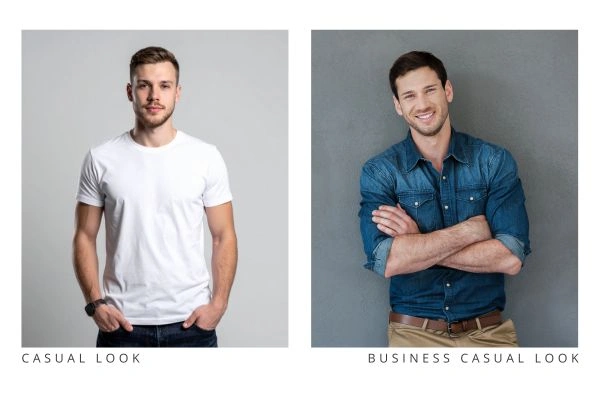
1. Wearing T-shirts instead of collared shirts
A plain T-shirt may feel clean and minimal, but in most professional environments, it leans too casual. Even a premium cotton tee lacks the structure that makes an outfit look intentional. Without a collar, the upper body can appear unfinished, especially in meetings or presentations.
How To Do Better
Choose collared options such as Oxford button-down shirts, knit polos, or lightweight dress shirts. These instantly elevate an outfit without sacrificing comfort. Fabrics like breathable cotton, stretch blends, or performance weaves keep things practical for long office days.
Reliable Options
- Uniqlo Easy Care Oxford Shirt offers a classic silhouette that resists wrinkles.
- Ralph Lauren Classic Fit Polo provides structure while staying relaxed.
- Bonobos Jetsetter Stretch Dress Shirt delivers comfort with a tailored shape.
A simple swap from a tee to a collared shirt can completely change how an outfit is perceived.
2. Choosing The Wrong Pants
Denim is widely accepted in many workplaces, but not all jeans are created equal. Ripped knees, heavy fading, sagging fits, and oversized cuts send a casual message. Cargo pants and joggers often cross the line into weekend wear.
How To Do Better
Chinos and tailored trousers are safer choices. Neutral tones such as navy, charcoal, beige, and olive pair easily with different shirts and layers. Flat-front styles generally look cleaner than heavily pleated options.
Strong Picks
- Dockers Smart 360 Flex Chinos balance stretch and structure.
- Banana Republic Traveler Pant works well for office days and travel.
- Bonobos Stretch Weekday Warrior Dress Pants offer a modern, tailored profile.
The goal is not to eliminate comfort. It is to choose pants that look intentional rather than improvised.
3. Wearing Athletic Sneakers To The Office
Sneakers are part of modern style, but there is a big difference between minimal leather sneakers and bright running shoes designed for the gym. Bulky soles, loud colorways, and oversized logos can distract from an otherwise polished look.
How To Do Better
Opt for sleek leather or suede sneakers in white, black, or brown. Loafers, derbies, and simple Oxfords are also strong business casual choices.
Recommended Footwear
- Cole Haan GrandPro Rally Leather Sneakers blend comfort with refinement.
- Clarks Tilden Cap Oxford is a dependable classic.
- ECCO Soft 7 Sneaker keeps things minimal and clean.
Shoes often draw attention first. Choosing the right pair of anchors for the entire outfit.
4. Ignoring Proper Fit
Fit remains one of the most common mistakes in business casual attire. Clothes that are too tight look restrictive and uncomfortable. Clothes that are too loose appear careless.
How To Do Better
Shirts should sit cleanly on the shoulders and taper slightly through the torso. Pants should sit comfortably at the waist and fall with a slight break over the shoes. Sleeves should stop right at the wrist bone, not extend halfway over the hand.
Practical Tips
- Get accurate measurements at a store or tailor.
- Explore brands offering slim, regular, and athletic fits.
- Consider minor tailoring for trousers and jacket sleeves.
Fit communicates attention to detail. Even budget-friendly clothing looks sharper when it fits properly.
5. Skipping Layers And Outerwear
A shirt and trousers alone can look flat, especially in cooler months. Without layers, outfits often lack depth and visual interest.
How To Do Better
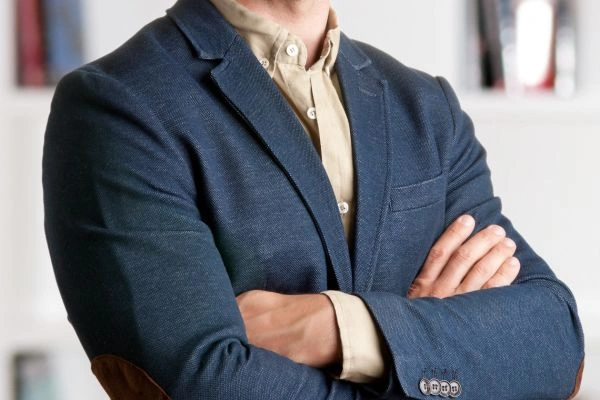
Add lightweight blazers, unstructured sport coats, or fine-gauge sweaters. These create dimension while keeping the look professional.
Smart Layering Choices
- J.Crew Ludlow Blazer pairs easily with chinos.
- Banana Republic Merino Wool V-Neck Sweater adds warmth without bulk.
- Uniqlo Ultra Light Down Jacket works well for commuting.
Layering shows effort. It signals that the outfit was thought through rather than thrown together.
6. Overdoing Colors And Patterns
Bold florals, oversized plaids, or neon accents can overwhelm a business casual look. Strong patterns may reflect personality, but they can distract in professional settings.
How To Do Better
Build outfits around neutral foundations. Navy, charcoal, beige, olive, and white provide balance. Patterns should be subtle, such as micro-stripes or fine checks.
Reliable Pieces
- Charles Tyrwhitt Slim Fit Dress Shirt In Micro Stripe
- Bonobos Washed Chino 2.0 In Light Khaki
- Todd Snyder Cashmere Blend Scarf In Neutral Gray
Restraint often reads as sophistication. Understated choices feel more versatile and timeless.
7. Wearing Large Visible Logos
Prominent branding can cheapen an otherwise sharp outfit. Large logos and graphic branding tend to belong in casual or streetwear settings rather than professional ones.
How To Do Better
Choose clothing with minimal or discreet branding. Clean lines and simple silhouettes appear more refined.
Brand Ideas
- Everlane Clean Silk Relaxed Shirt
- COS Textured Merino Sweater
- AMI Paris Minimal Trousers
When logos fade into the background, the overall outfit looks more mature and polished.
8. Neglecting Socks And Belts
Accessories often reveal how much thought went into an outfit. Athletic socks paired with dress shoes or mismatched belts can disrupt a cohesive look.
How To Do Better
Match the belt color to the shoes. Choose dress socks in solid neutrals or subtle patterns. Avoid thick white gym socks unless wearing casual sneakers in an informal setting.
Dependable Accessories
- Pantherella Merino Dress Socks
- Allen Edmonds Leather Belt
- Thursday Belt Co. Reversible Belt
Small adjustments create a cleaner silhouette and sharper overall impression.
9. Overlooking Grooming
Clothing alone cannot carry a professional image. Wrinkled shirts combined with unkempt hair or uneven facial hair weaken the effect of a good outfit.
How To Do Better
Maintain regular haircuts. Keep facial hair trimmed and intentional. Invest in basic skincare to avoid dryness or irritation.
Useful Grooming Products
- Philips Norelco Multigroom Series 7000
- Jack Black Double Duty Face Moisturizer SPF 20
- Aesop Resurrection Aromatique Hand Wash
Grooming supports clothing. Together, they project discipline and self-awareness.
10. Misreading Workplace Culture
One office may embrace sneakers and knit polos. Another may expect blazers and leather shoes. Dressing without observing the environment can lead to awkward mismatches.
How To Do Better
Notice how leadership dresses. Pay attention during presentations and client meetings. It is usually safer to dress slightly more polished than slightly more casual.
Creative industries may allow more flexibility, while finance, law, and consulting often lean conservative. Adjust accordingly.
Small Details That Make A Big Difference
Business casual success often comes down to subtle touches. Pressed collars, clean cuffs, and polished shoes matter more than brand names. Fabrics that drape well and colors that coordinate smoothly elevate even simple combinations.
Quick improvements include:
- Steaming shirts before leaving home
- Rotating shoes to maintain shape
- Choosing structured bags instead of worn backpacks
Professional style is built on consistency.
How To Build A Business Casual Wardrobe That Works
A strong business casual wardrobe does not require dozens of pieces. It requires thoughtful staples that mix and match easily.
Essential Foundations
- Three collared shirts in neutral tones
- Two pairs of chinos or tailored trousers
- One versatile blazer
- One pair of refined sneakers and one pair of leather shoes
- Neutral belts and socks
Quality over quantity reduces clutter and improves consistency.
Business Casual For Warm Weather
Hot weather introduces new challenges. Heavy fabrics and dark colors can feel uncomfortable and look out of place.
What Works Best
Lightweight cotton, linen blends, and breathable knits maintain structure while improving airflow. Soft blue, beige, and light gray tones feel appropriate in bright conditions.
Recommended Warm Weather Pieces
- Banana Republic Lightweight Linen Shirt
- Uniqlo Airism Tapered Pants
- ECCO Classic Moc Toe Slip On
The aim is to stay cool without drifting into beachwear territory.
Business Casual For Cooler Months
Cold weather allows for richer textures and deeper colors. Layers become both functional and stylish.
Smart Cold Weather Options
- J.Crew Field Mechanic Jacket
- Club Monaco Wool Blend Sweater
- Blundstone Chelsea Boots
Sweaters over collared shirts and textured jackets over knit polos create dimension while remaining professional.
Why Business Casual Still Matters
Business casual may feel routine, but it plays a significant role in shaping perception. In interviews, client meetings, and team presentations, clothing contributes to trust and credibility. It does not replace competence, but it supports it.
Men who avoid these common mistakes present themselves as detail-oriented and aware of context. That awareness often extends beyond clothing and into professional performance.
The Power Of Getting Business Casual Right
Business casual sits between strict formalwear and relaxed weekend style. It offers flexibility, but it still demands intention. Avoiding common pitfalls such as poor fit, overly casual footwear, loud patterns, and careless grooming can dramatically improve overall presence.
The strongest business casual wardrobes rely on clean lines, neutral foundations, thoughtful layering, and subtle accessories. With the right approach, business casual becomes less confusing and more empowering.
Dressing well in professional settings is not about impressing others. It is about showing respect for the environment, the people involved, and the responsibilities at hand. When those elements align, business casual becomes a powerful tool for confidence and long-term success.